How local LLMs and Claude helped me build my dream wedding game
At a glance:
- Running quantized Gemma4 on RTX 4070 Ti enabled offline game prototyping without cloud costs
- Spreadsheet-driven NPC system with Python automation allowed persistent world building and easy editing
- Free-text input gameplay with stress/budget mechanics created natural player-NPC interactions
Building the foundation with local AI tools
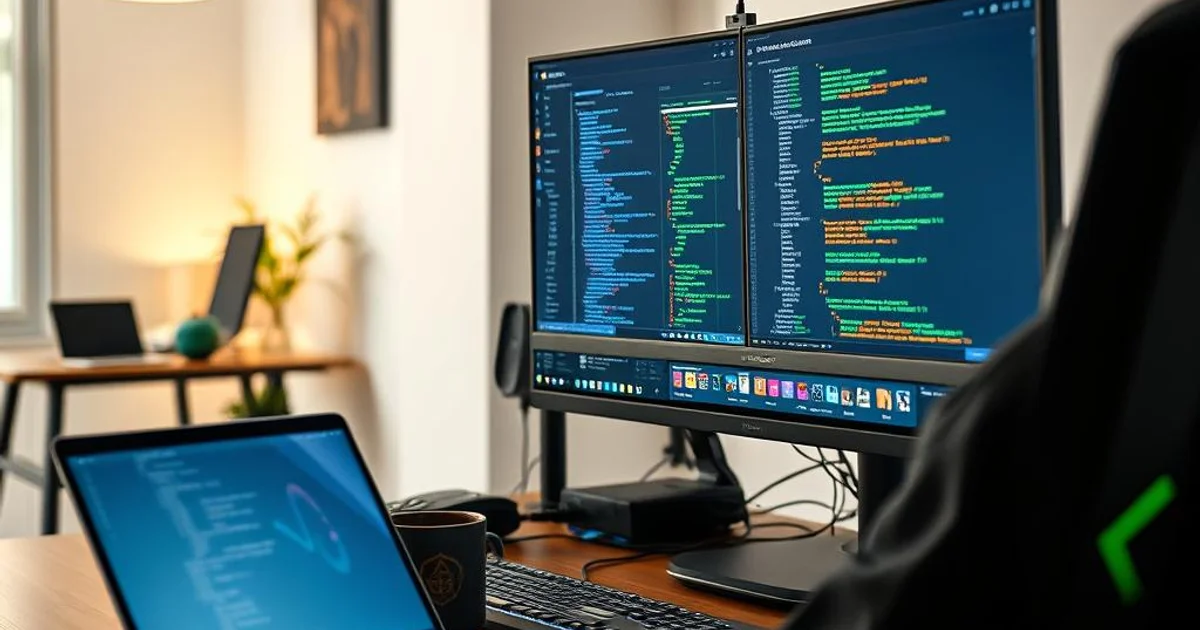
Gaming has been Samarveer's greatest passion, and the Literature graduate in him takes immense joy in dissecting games for their themes, messages, and impact. After years of carrying around ideas for dream games that remained firmly in the planning stages, he finally found the tools to bring one to life using local large language models. The breakthrough came when he successfully ran a quantized version of Google's Gemma4:e4b on his GeForce RTX 4070 Ti, enabling offline development without the constraints of cloud-based AI services.
Before writing a single line of gameplay code, Samarveer had to establish the technical foundation. This involved installing Ollama to run local models, downloading the quantized Gemma4 variant that fit comfortably in his GPU's VRAM, and setting up Python with specific libraries including Pygame 2.6.1 and OpenPyXL 3.1.5. His initial attempt using ChatGPT's desktop app quickly proved inadequate, as it couldn't maintain persistent world state across sessions - requiring him to re-enter every character and relationship from scratch each time.
Database-driven world creation
The solution came from an unexpected source: his actual wedding guest spreadsheet. By shortening this into a manageable list and writing personality traits for each attendee, he created a foundation that could automatically rebuild the same world every session. The spreadsheet included how each person viewed him, how they typically treated him and the bride, and potential reactions to different situations. This approach solved the persistence problem while making future edits significantly easier than retyping everything manually.
Using Python scripts paired with the Excel spreadsheet meant the game world could be regenerated consistently. When changes were needed - whether adding new NPCs or modifying existing traits - editing the spreadsheet proved far more efficient than rebuilding from scratch. This database-first approach became crucial for maintaining the complex web of relationships and personalities that would drive the gameplay experience.
Gameplay mechanics and natural language interaction
With the database established, Claude Opus 4.8 helped transform the static data into actual game systems. Rather than requesting random code snippets, Samarveer carefully explained his vision for the gameplay loop, turn structure, and decision-making framework. The result included innovative mechanics like a draining wedding budget that forced consequential choices, and stress levels that could delay or cancel events when they climbed too high.
Most significantly, he abandoned the traditional branching dialog format used by most AI-powered games. Instead, every turn ends with a simple text input box where players can type anything - from calming angry relatives to making tasteless jokes. This free-text approach allows Gemma4 to respond by letting the world react naturally, creating genuine role-playing experiences rather than predetermined paths. The stress system also prevented players from causing complete chaos, maintaining focus on navigating the wedding smoothly.
Expanding perspectives and future development
After completing the groom's version, creating a bride's perspective campaign proved straightforward. While characters remained largely the same, their relationships, priorities, and expectations shifted based on the protagonist. This version reverted to a three-choice format to allow mutual agreement between players, revealing how the same world could behave differently through different lenses.
However, the experiment exposed limitations. His fiancée found the text-heavy format insufficient for sustained emotional investment, particularly given her lesser experience with text-based games. This feedback proved invaluable, highlighting pacing issues and structural refinements needed. Looking ahead, Samarveer plans to integrate Stable Diffusion for low-poly artwork between scenes, with AI-generated sound effects and background music to follow. While not aiming for commercial release, the project demonstrates how local LLMs can provide hobbyists the momentum to pursue long-held creative ambitions.
The biggest advantage remains the offline nature of the setup. Without burning through Claude credits for every feature test or mechanic tweak, Gemma4 handles the entire gameplay loop locally. This freedom to iterate repeatedly without subscription concerns represents a fundamental shift in how independent creators can approach game development.
The democratization of creative development
AI hasn't magically transformed Samarveer into a developer overnight, nor has it eliminated the need for programming knowledge. Instead, these tools have lowered the barrier between imagination and execution. The game still requires system design, rule creation, and debugging - but the crucial difference is that his dream game now exists in tangible form, playable and improvable one evening at a time.
For hobbyists and creators who've long postponed projects due to technical barriers, this approach offers new possibilities. Running capable local LLMs provides enough momentum to finally chase ideas that spent years trapped in imagination. While his Steam backlog may not appreciate the shift in attention, the dream game that finally materialized certainly does.
FAQ
What hardware and software setup did the author use for local LLM game development?
How did the spreadsheet-based NPC system work?
What made the gameplay mechanics unique compared to traditional AI games?
More in the feed
Prepared by the editorial stack from public data and external sources.
Original article