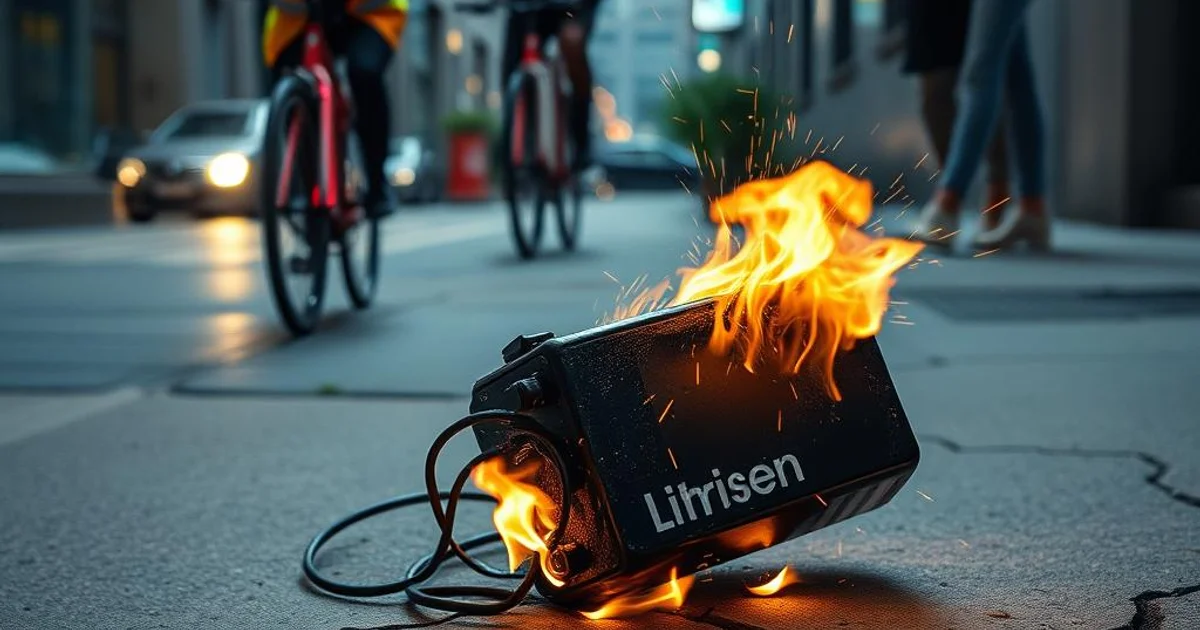
Why lithium-ion batteries fail us and the gadgets I'm relying on to protect myself
At a glance:
- Lithium-ion batteries are a leading cause of fires, with incidents rising due to increased usage and poor-quality devices.
- Damaged, misused, or low-quality batteries are the primary culprits behind thermal runaway incidents.
- Immediate action is critical when signs of battery failure are detected to prevent fires or explosions.
The Scale of the Problem
Lithium-ion batteries are now ubiquitous, powering everything from smartphones to e-bikes and electric vehicles. Their prevalence has made them one of the most common sources of fires, with fire departments in the UK reporting one lithium-ion battery fire every five hours in 2025—totaling 1,760 incidents, a 147% increase over three years. In the US, 25,000 fire or overheating incidents involving lithium-ion batteries have occurred in the past five years, ranging from domestic accidents to large-scale energy storage facilities. Air travel is also affected, with the FAA reporting nearly two battery-related fires per week. The issue is exacerbated by rising summer temperatures and the proliferation of cheaper, lower-quality devices.
The problem is not limited to consumer electronics. E-bikes and e-scooters are particularly dangerous, with New York reporting hundreds of fires last year, some fatal. In the UK, e-bike fires accounted for nearly a third of all lithium-ion battery fires in 2024. Vapes are another high-risk category, drawing attention from insurers and regulators. Cheap power banks, budget e-bikes, and vapes are especially prone to failure due to substandard manufacturing or misuse.
How Lithium-Ion Batteries Fail
Thermal runaway is the primary mechanism behind lithium-ion battery fires. This occurs when the battery heats faster than it can dissipate heat, triggering a chain reaction that leads to flames or explosions. Common causes include physical damage (punctures, crushing), overcharging, short circuits, exposure to high temperatures, manufacturing defects, and incompatible chargers. Even smart rings and other small devices can fail if mishandled.
The risk is heightened in devices subjected to stress. E-bikes and e-scooters, for example, are often used in harsh conditions, increasing the likelihood of overheating. Vapes, which are frequently left charging for extended periods, are also vulnerable. Poor-quality batteries, which are common in budget products, are particularly prone to thermal runaway. Users may not realize they’re using a faulty battery until it’s too late.
Identifying Risky Batteries
Not all lithium-ion batteries are equally dangerous. The lowest-risk scenarios involve discharged batteries, like a phone left in a drawer for a year. However, the article emphasizes that damaged or overused batteries pose significant threats. Signs of failure include unusual heat, swelling, odors, hissing sounds, or smoke. Users should act immediately if these symptoms appear, as thermal runaway can escalate rapidly.
The article also highlights specific high-risk devices. E-bikes and e-scooters are leading causes of urban fires, while vapes are a growing concern for insurers. Power banks, especially cheap or poorly maintained ones, are another common source of incidents. The key takeaway is that any device with a lithium-ion battery carries some risk, but the danger increases with misuse or low-quality components.
Safety Measures and Response
Prevention is the best strategy. Users should avoid buying cheap or counterfeit batteries, prevent devices from overheating, and unplug them after charging. For high-risk items like e-bikes or vapes, regular inspections are crucial. If a battery fails, the priority is safety: move it to a non-flammable surface, call emergency services if there’s a fire, and use an ABC fire extinguisher or water to cool it. Fire blankets and battery storage bags are recommended for emergency preparedness.
The article also details specific response protocols. On an aircraft, passengers must inform cabin crew immediately. In a vehicle, pull over safely. At home, isolate the device and avoid using it until it’s safe. Even after a fire seems extinguished, batteries can reignite later, so they should be stored away from people and flammable materials. Manufacturers or waste services should be contacted for proper disposal.
What to Watch Next
As lithium-ion batteries become more widespread, the risk of fires will likely grow. Regulatory attention is increasing, with some regions implementing stricter safety standards for batteries in consumer products. Innovations in battery technology, such as solid-state batteries, may offer safer alternatives. However, until then, user education and proper handling remain critical. The article warns that the combination of rising temperatures and cheap, poorly made devices could lead to a surge in incidents, making awareness and preparedness essential.
FAQ
What causes lithium-ion battery fires?
How can I prevent lithium-ion battery fires?
What should I do if a battery catches fire?
More in the feed
Prepared by the editorial stack from public data and external sources.
Original article