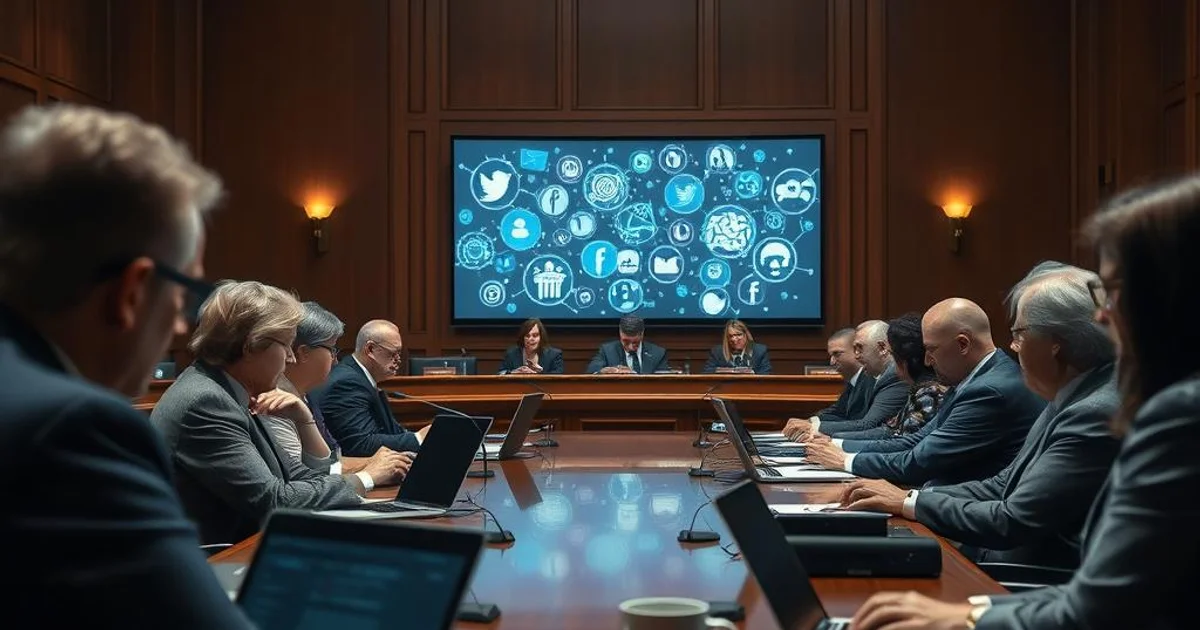
New JAWBONE Act lets Americans sue officials for coercing content removal
At a glance:
- The JAWBONE Act would allow individuals to sue government officials for damages if they coerce platforms to remove content, even if the platform complies.
- Bipartisan support includes Sen. Ted Cruz (R-TX) and Sen. Ron Wyden (D-OR), with backing from civil liberties groups like the ACLU and FIRE.
- The bill targets incidents like FCC Chair Brendan Carr's alleged threats to TV stations over Jimmy Kimmel's content, though Carr denies wrongdoing.
What the JAWBONE Act proposes
The JAWBONE Act, introduced by Senate Commerce Committee Chair Ted Cruz (R-TX) and Sen. Ron Wyden (D-OR), aims to protect Americans from government coercion in content moderation. Under the bill, individuals could seek legal damages if a government official pressures social media, AI, or broadcasting companies to remove posts, regardless of whether the platform acts on the request. It also mandates transparency in government communications with these companies, requiring public disclosure of directives related to content removal.
The legislation stems from high-profile disputes, including Carr's alleged threats to TV stations' broadcast licenses after Kimmel criticized him following the killing of conservative activist Charlie Kirk. Carr has denied the claims, but the bill would still allow lawsuits based on perceived coercion. It also addresses broader concerns about government influence over platforms during the pandemic, when officials allegedly pressured companies to moderate medical misinformation.
Bipartisan backing and political tensions
Despite its bipartisan sponsorship, the bill reflects deep political divisions. Cruz, a frequent critic of Biden-era tech policies, frames the legislation as a response to what he calls "weaponization" of agencies like the Cybersecurity and Infrastructure Security Agency to pressure platforms into "canceling" dissenting voices. Wyden, meanwhile, highlights Trump-era threats to cable companies over late-night programming, arguing that such coercion transcends party lines.
Supporters include civil liberties organizations like the American Civil Liberties Union (ACLU), the Foundation for Individual Rights and Expression (FIRE), and the Knight First Amendment Institute at Columbia University. These groups have long advocated for transparency in government-platform interactions. However, critics argue the bill could complicate legitimate regulatory efforts, particularly in areas like election integrity and public health.
Legal and practical implications
The JAWBONE Act builds on a 2023 Supreme Court ruling that dismissed a lawsuit alleging government coercion of social media platforms during the pandemic. The Court found insufficient evidence that platforms were moderating content due to direct pressure. If passed, the bill could lower the legal threshold for proving coercion, opening the door to costly litigation. This might deter officials from engaging in informal content-related communications, even when acting in good faith.
For individuals, the bill could empower those whose posts were removed or targeted under suspected government influence. However, defining "coercion" and distinguishing it from legitimate regulatory guidance poses challenges. Legal experts warn that vague language in the bill could lead to a surge in lawsuits, straining both platforms and courts.
Historical context and precedents
Government pressure on media and tech platforms is not new. During the pandemic, the Biden administration faced criticism for urging platforms to address misinformation, though officials maintained these were voluntary recommendations. Similarly, Trump's threats to revoke broadcast licenses for networks he deemed "fake news" drew bipartisan condemnation but no legal consequences.
The JAWBONE Act seeks to codify protections against such actions, but its success depends on legislative approval and potential legal challenges. If enacted, it could reshape how government agencies interact with private platforms, particularly in politically charged environments.
What's next for the bill
The bill's path forward remains uncertain. While it has bipartisan sponsors, it faces hurdles in a divided Congress. Supporters argue it's a necessary check on executive overreach, while opponents warn it could undermine public safety efforts. If passed, the legislation would likely face legal scrutiny over its definitions and scope.
For now, the JAWBONE Act highlights ongoing tensions between free speech advocates and regulators, with potential ramifications for how content moderation and government oversight intersect in the digital age.
FAQ
What does the JAWBONE Act propose?
Who supports the JAWBONE Act?
What legal precedent does the bill address?
More in the feed
Prepared by the editorial stack from public data and external sources.
Original article