This is absolutely crazy: Antarctic temperatures hit a record high this month
At a glance:
- Record high of 59.7°F (15.4°C) at Esperanza base on June 6, 3.6°F above the 1998 winter record.
- Marambio and San Martin stations also logged record temperatures between June 5 and June 6.
- The winter heatwave persisted for three weeks with above‑freezing temperatures, causing snow‑free regions and rain‑induced glacier melt.
What happened
The Antarctic Peninsula experienced an unprecedented winter heatwave in June, with temperatures at Esperanza base soaring to 59.7°F (15.4°C) on June 6, a 3.6°F (2°C) increase over the previous 1998 record. This anomaly persisted for three consecutive weeks, keeping daily maximum temperatures above freezing across the peninsula. Researchers noted that the same period saw record warmth at two additional Argentine stations, Marambio and San Martin.
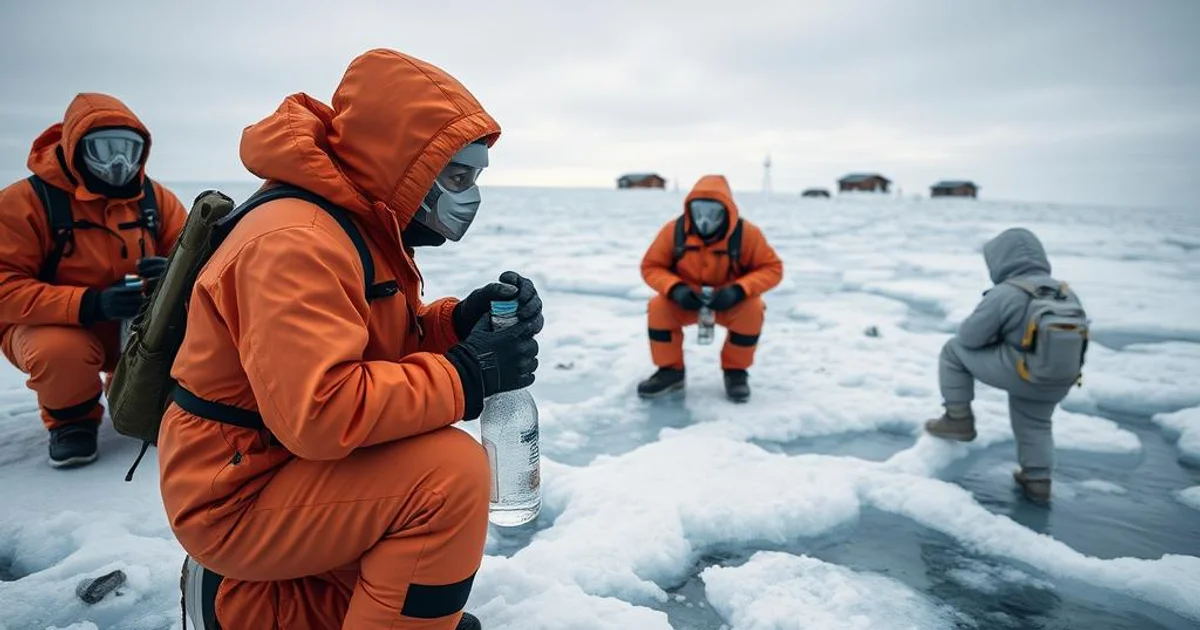
Large areas in the far north of the continent remained free of snow, an unusual winter condition. Rain fell instead of snow, creating runoff that contributed to ice melt on glaciers such as the Collins glacier on King George Island. Scientists described the scene as “an unusual sight in the Antarctic landscape during winter,” highlighting the rapid transformation of the region.
Scientific context
The Antarctic Peninsula is warming at a rate five times faster than the global average, having risen nearly 5.4°F (3°C) since 1950. Sea ice loss reduces surface albedo, causing the ocean to absorb more solar heat and reinforcing a feedback loop that accelerates warming. This context explains why the June heatwave is part of a broader trend of increasing frequency and intensity of winter temperature extremes.
Climate scientist Raúl Cordero, an assistant professor at the University of Groningen, called the event “absolutely crazy,” emphasizing its extraordinary nature. He explained that the region’s temperature anomaly is about 36°F (20°C) above normal for this time of year, underscoring the severity of the anomaly. The persistence of above‑freezing conditions for weeks signals a shift that could become more common as warming continues.
Ecological impacts
Rainfall rather than snow has begun to affect Antarctic ecosystems, particularly penguin colonies that rely on stable snow cover for breeding. Thomas Caton Harrison of the British Antarctic Survey warned that the increased rain poses challenges for wildlife and complicates logistics for research bases. He noted that runoff and ice melt can alter habitat stability and threaten the survival of species adapted to dry winter conditions.
The combination of sustained warmth and liquid precipitation has led to winter ablation of glaciers, a process that normally occurs in summer. This development raises concerns about long‑term ice loss and its contribution to global sea level rise. Researchers expect such heatwaves to become more frequent, demanding closer monitoring and adaptive management of Antarctic infrastructure.
FAQ
What temperature was recorded at Esperanza base on June 6?
Which other Argentine research stations reported record temperatures during the same period?
What environmental impacts have scientists observed due to the rain and warm temperatures?
More in the feed
Prepared by the editorial stack from public data and external sources.
Original article